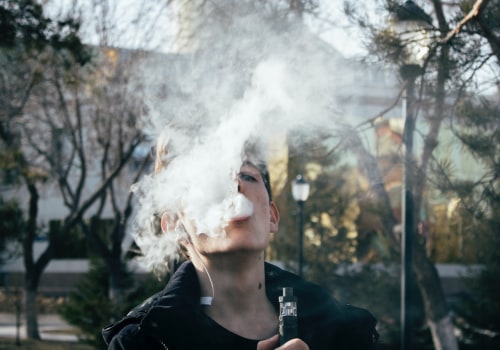
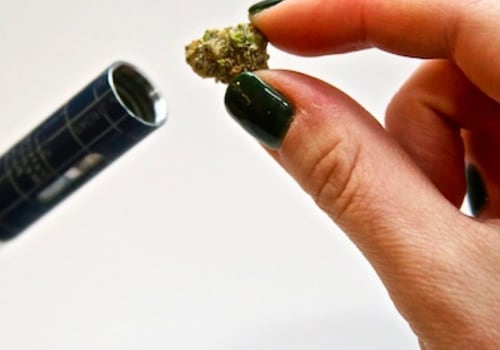
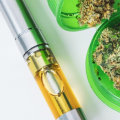
Cannabis vaporizers have become increasingly common among adults who choose to use cannabis, offering an alternative to traditional smoking methods. These devices heat cannabis material or cannabis-derived products to create an inhaled aerosol rather than relying on direct combustion. Although some people may view vaping as part of a lifestyle or wellness routine, it is important to distinguish recreational preferences from established health benefits. Cannabis products can affect individuals differently depending on factors such as THC concentration, product formulation, potency, personal sensitivity, and previous experience. A whole-person wellness perspective considers these factors alongside physical health, emotional well-being, daily responsibilities, and long-term goals rather than assuming that a particular consumption method is appropriate for everyone.
Considering Physical Wellness
Physical wellness involves maintaining habits that support the body over time, including regular movement, nutritious eating, adequate sleep, preventive healthcare, and appropriate stress management. Cannabis vaping should not be considered a substitute for these foundational practices. Inhaled cannabis can affect coordination, attention, reaction time, and judgment, particularly when THC is present. Vaping may also carry respiratory considerations, and the safety of inhaled cannabis products can depend on the device, ingredients, and product quality. Individuals who experience breathing difficulties or other concerning symptoms should seek appropriate medical advice. People taking medications or managing existing health conditions should also consult a qualified healthcare professional before using cannabis because cannabinoids may interact with certain medications.
Exploring Emotional and Mental Well-Being
A whole-person perspective also considers why someone chooses to use cannabis and how that choice relates to emotional health. Some adults may associate cannabis with relaxation, social activities, or recreation, while others may use it in response to stress or difficult emotions. These experiences can vary significantly, and THC may produce unwanted effects such as anxiety, increased heart rate, confusion, or changes in perception for some individuals. If cannabis becomes the primary way someone manages persistent stress, anxiety, low mood, or other emotional difficulties, addressing those concerns directly may be beneficial. Professional support can help individuals develop broader coping strategies and understand patterns that affect their well-being. Resources such as Cabot Psychological Services Minneapolis may be considered as part of a broader network of psychological support when appropriate.
Balancing Lifestyle Choices
Wellness is rarely based on one habit or product. A balanced lifestyle can include exercise, hobbies, meaningful relationships, relaxation techniques, sufficient sleep, and activities that provide a sense of purpose. Adults who use cannabis where legally permitted can consider whether their habits support or interfere with these broader priorities. Paying attention to changes in motivation, concentration, mood, productivity, and relationships can help individuals evaluate whether cannabis fits comfortably within their routines. It is also important to avoid driving or operating machinery while impaired and to recognize that combining cannabis with alcohol or other substances may increase impairment. Understanding local laws and purchasing products from reliable sources can further support responsible decision-making.
Practicing Whole-Person Wellness
Exploring cannabis vaporizers through a whole-person wellness perspective means considering both personal preferences and potential consequences. Instead of focusing solely on the desired effects of cannabis, individuals can evaluate how their choices affect physical health, emotional balance, relationships, responsibilities, and long-term goals. No consumption method eliminates all potential risks, and vaping should not automatically be equated with healthy living. Individuals who have questions about cannabis use can discuss their circumstances with qualified healthcare professionals who can provide appropriate guidance. Ultimately, whole-person wellness emphasizes informed choices, realistic expectations, healthy routines, and professional support when needed. By taking this broader view, adults can make more thoughtful decisions while keeping their overall quality of life and well-being at the center of their lifestyle choices.